
English
中文 近日公開
한국어 近日公開
日本語 近日公開
Japan's nightlife has
its own rules.
More venues now welcome visitors from overseas, but trouble is still common. The cause is usually not the language barrier. It is not knowing the rules of Japan's fuzoku and red light districts. We explain 72 areas and 22 genres, including how they differ from escorts, written by Japanese people who know the nightlife.
Japan's nightlife includes many genres with almost no equivalent overseas. Start with the four main categories to understand what each one actually is.
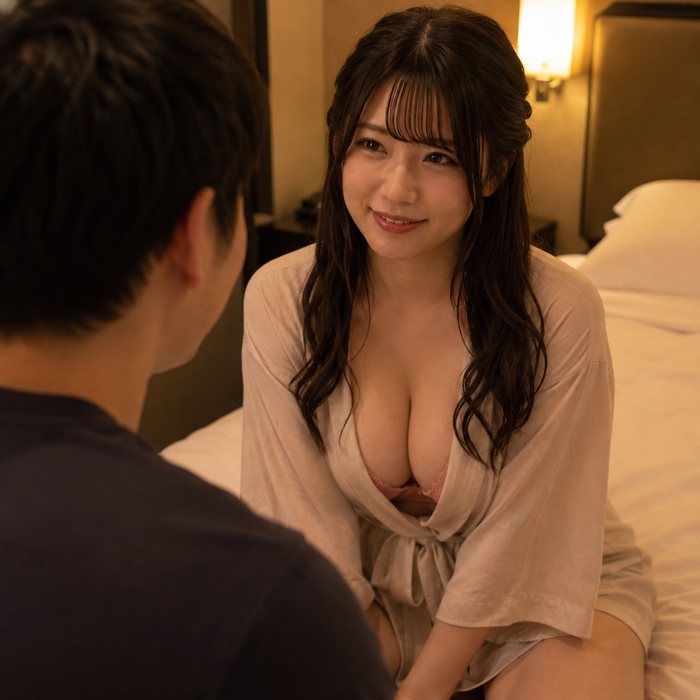
Soapland, health and other licensed businesses unique to Japan. Most have no close equivalent overseas, so it pays to understand how they work.
View Fuzoku →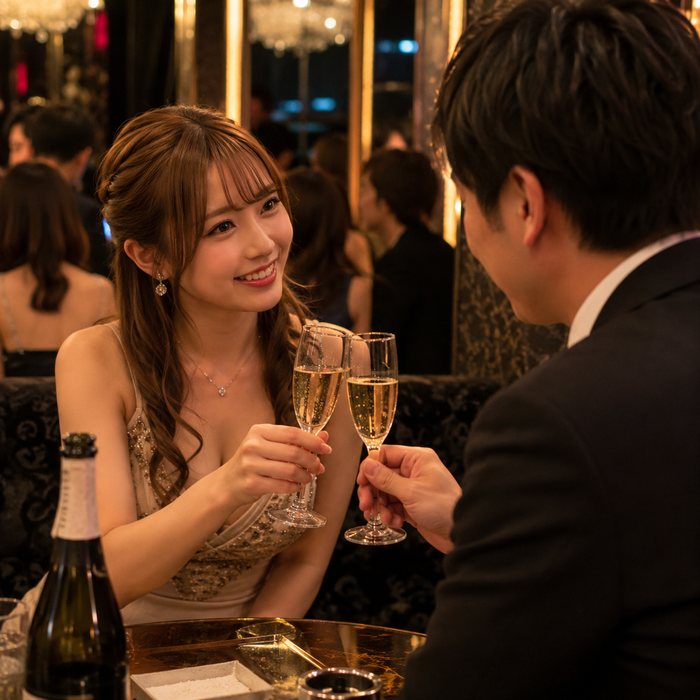
Kyabakura, host clubs and similar venues where you drink and talk with staff. The pricing and etiquette differ from bar culture overseas.
View Hostess & Host →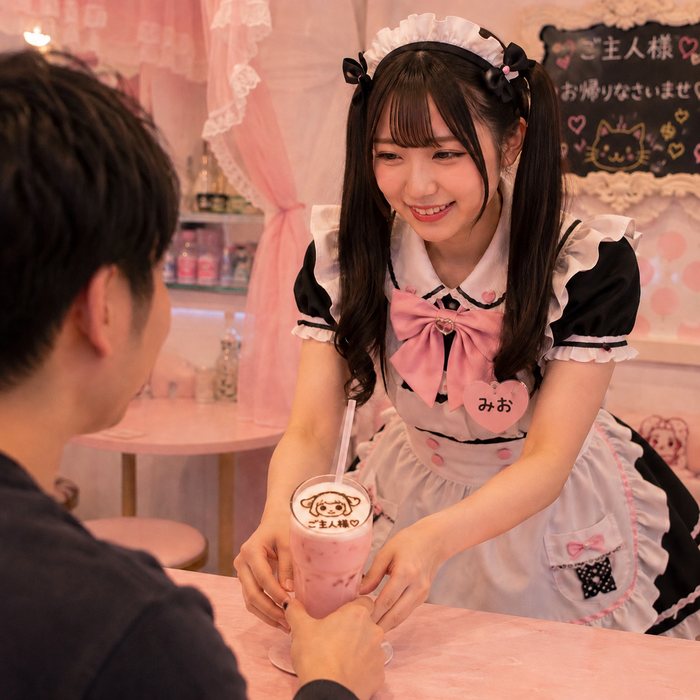
Maid cafes and concept cafes, born from Japanese pop culture. You pay for food, drinks and the performance the cast puts on.
View Maid & Concept Cafe →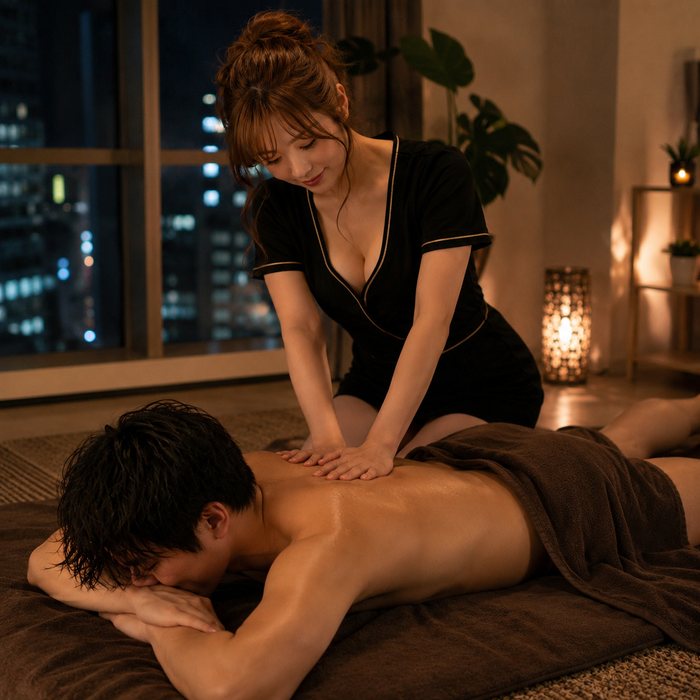
Men's esthe and refre, aimed purely at relaxation. The name resembles "esthe (erotic massage)" under Fuzoku, but it is a different business.
View Men's Esthe →A place to ask questions and exchange views about areas, genres and how things work.
In-depth articles that cut across areas and genres.
Tokyo adult guide
How 10 major areas differ, from Kabukicho and Yoshiwara to Akihabara and Ginza, and how to pick an area by genre.
Read the article →Japan red light district
The history and present of 11 surviving districts, including Osaka's shinchi system, which has no equivalent anywhere else.
Read the article →26 terms: Japanese words that spread overseas, and words you will meet at venues. Tap a term to read more.
Japan's nightlife districts range from historic quarters like Yoshiwara, which began as an Edo-period pleasure district, to neon-lit entertainment areas such as Kabukicho and Susukino. The variety is unusual by any standard: businesses with no equivalent overseas like soapland and pink salon, social drinking culture such as kyabakura and snack bars, and pop-culture venues led by maid cafes.
We organise all of this into four categories: Fuzoku, which involves sexual services; hostess and host clubs, where you drink and talk; entertainment venues such as maid and concept cafes; and relaxation services. Each genre page explains what the service is, what it costs, how a visit works, and the etiquette involved.
If it is your first visit, check the pricing and what is actually included before you go. Rates vary widely between genres, and between venues within the same genre. Following each venue's rules, such as whether photography is allowed and how the time limit works, is the basis of a trouble-free night.
To search by area, start from the list of 72 nightlife districts. To search by genre, start from the 22 genre guides. If something is unclear, you can ask on the forum.
Q.Can foreigners use fuzoku venues and kyabakura in Japan?
It depends on the venue. More places welcome overseas visitors each year, but language support and entry conditions differ from venue to venue. Each area and genre page explains the general tendencies, so check before you go.
Q.How much does it cost?
It varies by genre. Maid cafes and concept cafes start from around 2,000-5,000 yen, kyabakura runs about 5,000-15,000 yen per hour, and soapland is roughly 20,000-60,000 yen. Each genre page lists the rates in detail.
Q.Do I need a reservation?
It depends on the genre and the venue. Outcall services such as deriheru normally require contact in advance, while many kyabakura and maid cafes accept walk-ins. Popular venues and weekends can involve a wait, so allow extra time.
Q.What etiquette should I be aware of?
Follow the rules set by each venue. Always check whether photography is permitted. Confirming the pricing and what is included before you enter also prevents disputes later.
Q.What information does this site provide?
Guides to 22 genres covering what each service is, typical prices and how a visit works, plus information on 72 nightlife districts across Japan. There is also a forum for questions and discussion.